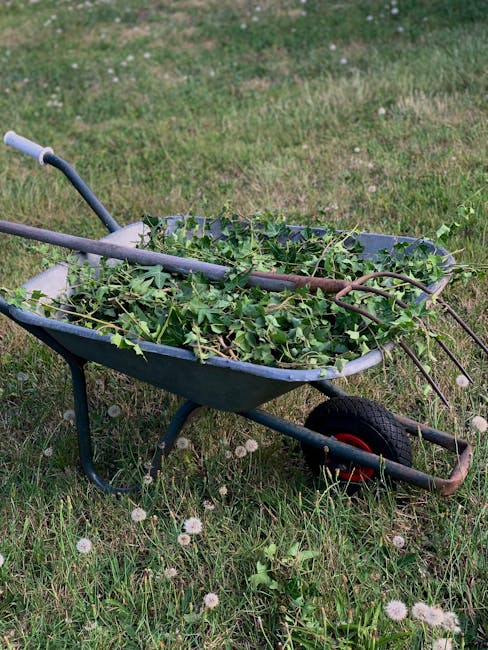
Canbury Gardens garden rubbish removal Kingston upon Thames
If your garden in Canbury Gardens has become a tangle of branches, soil bags, hedge cuttings, old plant pots, and the odd broken fence panel, you are not alone. Garden waste has a way of building up quietly, then suddenly the space feels smaller, messier, and harder to enjoy. Canbury Gardens garden rubbish removal Kingston upon Thames is the simple, practical fix when you want the waste gone without spending your weekend filling a car boot in three separate trips.
This guide explains how the service works, what gets collected, how to prepare, what to avoid, and how to choose the right approach for your property. It also covers useful local considerations, from access around terraced streets to sensible disposal habits that keep the job efficient and tidy. Let's face it, garden clearance sounds straightforward until you are staring at a pile of green waste after a wet Saturday morning.
For readers comparing related services, it can also help to look at broader support such as garden clearance or wider waste removal options when the job includes more than just clippings.
Expert summary: the best garden rubbish removal is usually the one that matches the actual mix of waste, the access at your property, and the speed you need. A neat load, sorted properly, is often easier and more cost-effective than people expect.
Table of Contents
- Why Canbury Gardens garden rubbish removal Kingston upon Thames Matters
- How Canbury Gardens garden rubbish removal Kingston upon Thames Works
- Key Benefits and Practical Advantages
- Who This Is For and When It Makes Sense
- Step-by-Step Guidance
- Expert Tips for Better Results
- Common Mistakes to Avoid
- Tools, Resources and Recommendations
- Law, Compliance, Standards, or Best Practice
- Options, Methods, or Comparison Table
- Case Study or Real-World Example
- Practical Checklist
- Conclusion
- Frequently Asked Questions
Why Canbury Gardens garden rubbish removal Kingston upon Thames Matters
Garden rubbish removal matters because garden waste is not just "mess". It can become a blockage, a safety issue, and a time drain all at once. In a place like Canbury Gardens, where outdoor space is often precious and access can be a little tight, a pile of waste has a bigger knock-on effect than people expect. Suddenly you cannot mow properly, you cannot replant easily, and the garden stops feeling usable.
There is also the practical side. Wet grass clippings, prunings, and soil-heavy waste can become surprisingly heavy, especially if you leave it sitting for a few days. Anyone who has tried shifting a soggy bag of hedge cuttings knows the feeling: more weight, more smell, more frustration. If you want the space back quickly, professional collection or a dedicated clearance plan is often the cleanest route.
It also matters for appearance. Whether you are preparing a garden for family use, a property viewing, or just a calmer weekend, a cleared outdoor space changes how the whole home feels. A tidy patio and a visible lawn make a big difference. Sometimes the eye just needs breathing room.
Garden rubbish removal is also useful when waste is mixed. Many jobs are not just leaves and twigs. You may have old timber, cracked planters, rusted tools, bagged soil, damaged shed parts, or leftover material from a small outdoor project. That mixed nature is where organised removal becomes valuable, because a plan saves re-handling things three times over.
How Canbury Gardens garden rubbish removal Kingston upon Thames Works
The process is usually simpler than people imagine. First, the waste is assessed by type and volume. Then it is loaded, removed, and taken for sorting, recycling, or disposal in line with normal UK waste practice. A good service should make the job feel orderly, not chaotic.
In practice, the work often follows a few stages:
- Identify the waste: green waste, mixed garden waste, bulky items, soil, rubble, timber, or old outdoor furniture.
- Check access: side paths, rear gates, basement steps, shared entrances, or narrow frontage space can affect how quickly the job moves.
- Estimate volume: this helps decide whether you need a small tidy-up, a full clearance, or a more general waste removal visit.
- Load safely: heavier items should go first or be broken down where appropriate.
- Sort responsibly: organic waste, recyclable timber, and non-recyclable rubbish are typically handled differently.
When the job includes broken sheds, old benches, or leftover furniture from an outdoor seating area, it can overlap with furniture disposal or even furniture clearance. That is where a broader removal approach often saves time.
A small but important point: if your garden waste includes material from building work, such as hardcore, broken paving, or demolition debris, it may belong under builders waste clearance rather than standard green waste. That distinction matters more than people think.
Key Benefits and Practical Advantages
The obvious benefit is space. Once the waste is gone, you can move, plant, sweep, mow, and actually use the garden again. But there are several other advantages that are worth calling out.
- Less lifting and strain: bags of branches and soil are awkward, not just heavy.
- Faster turnaround: useful if you have visitors, a sale to prepare for, or a landscaping plan waiting.
- Better presentation: a clear garden looks maintained, even before new planting begins.
- More efficient project work: pruning, re-turfing, or patio cleaning is easier when the area is empty.
- Cleaner disposal route: waste is usually handled in a more organised way than ad hoc self-tipping.
Another quiet advantage is mental. A cluttered garden can weigh on you without you realising it. Clear the corner with the broken pots and the old branches, and the whole place suddenly feels doable again. That shift is real.
If you are dealing with a larger home project, the same thinking applies across the property. A local home clearance or house clearance may be more practical if the garden rubbish is only one part of a broader declutter.
Who This Is For and When It Makes Sense
Canbury Gardens garden rubbish removal Kingston upon Thames makes sense for a wide range of people, and not just when the garden has become unmanageable. In fact, many of the best jobs are preventative. People use the service before a project starts, not after the place has completely gone to pieces.
This is especially useful if you are:
- clearing after seasonal pruning or hedge cutting
- preparing a garden for a new layout or planting scheme
- dealing with storm-damaged branches or fallen material
- emptying a neglected garden before renovation
- working around limited parking or narrow access
- trying to clear waste from a rental property between tenancies
- combining outdoor rubbish removal with indoor clearance work
It also helps homeowners who want a one-off tidy-up rather than buying tools, hiring a trailer, and spending a long afternoon doing the rounds. To be fair, not every weekend should be spent wrestling with thorny cuttings and a damp tarpaulin.
For landlords, estate managers, and small businesses with outdoor space, the issue is often consistency. A regular clearance rhythm can stop the mess from building into something awkward. In those cases, a service that also handles business waste removal can be useful if the site produces mixed rubbish over time.
Step-by-Step Guidance
If you want the smoothest possible result, a little preparation goes a long way. The following approach keeps the process efficient and avoids the classic "we thought it would be simpler" moment.
- Walk the garden first. Look at what is actually there. Separate green waste from bulky rubbish, timber, and anything that might be reusable.
- Move loose hazards out of the way. Pots with sharp edges, broken glass, garden tools, and hose pipes can slow the job down.
- Group similar items together. Branches in one area, bagged clippings in another, heavier material elsewhere.
- Check access points. Gate width, side return space, and where a vehicle can safely stop all matter.
- Decide what stays. It sounds obvious, but garden waste jobs often get delayed because someone changes their mind once the loading starts.
- Ask about sorting. If you have mixed waste, clarify whether soil, timber, and green waste should be kept separate.
- Book in a sensible time window. Early morning often works well for quieter streets and easier access.
A practical example: if you have prunings, a dead bush, two broken plant troughs, and an old parasol base, you are not looking at one identical pile. You are looking at several waste types. Sorting them before collection saves time, and sometimes cost too.
If there is also loft clutter or garage debris involved, it may be worth looking at garage clearance or loft clearance so the whole job is handled in one go.
Expert Tips for Better Results
Here are the small things that make a surprisingly big difference. In our experience, these are the details that turn an awkward job into a tidy one.
- Keep green waste dry if you can. Wet clippings are heavier, messier, and less pleasant to handle.
- Cut long branches down where safe. Smaller lengths load better and reduce wasted space.
- Avoid overfilling bags. They split at the worst possible moment. Usually right at the gate, of course.
- Separate reusable items early. Some old timber, planters, or outdoor furniture may not need to be treated as mixed rubbish.
- Think in zones. If one corner is full of leaves, and another has rubble, keep them apart.
- Take a quick photo before collection. It helps you remember what needs removing and prevents oversights.
Another useful trick is to clear the path to the waste before the waste itself. That sounds backwards, but it saves time. You do not want to be stepping over cut branches while trying to move the cut branches.
If you care about sustainability, ask how the waste is handled after collection. A service aligned with recycling and sustainability should be able to explain how green waste and recyclable materials are separated in practice, not just in theory.
Common Mistakes to Avoid
Most problems with garden rubbish removal come from rushing the prep or assuming every item belongs in the same pile. Simple mistake. Very common.
- Mixing everything together: green waste, rubble, timber, and general rubbish can all need different handling.
- Leaving heavy bags for last: that is when fatigue kicks in and the job becomes more awkward than it needs to be.
- Ignoring access issues: a narrow gate or steep steps can change the plan completely.
- Forgetting about hidden waste: undergrowth often hides old pots, bricks, broken tools, and bits of fencing.
- Not checking what should stay on site: a quick label or separate corner avoids accidental removal of anything you still want.
- Trying to do too much in one pass: sometimes a phased clearance is safer and cleaner than a giant rushed one.
The other mistake is assuming all outdoor waste is "just garden waste". Not always. If there is old fencing, soil mixed with hardcore, or rubbish from a landscaping job, the classification can shift. Getting that wrong can mean extra handling later, and nobody wants that.
Tools, Resources and Recommendations
You do not need a workshop full of kit to manage garden rubbish well, but a few basics make the process easier.
| Item | Why it helps | Best used for |
|---|---|---|
| Heavy-duty garden bags | Contain clippings and leaves neatly | Light to medium green waste |
| Gloves with grip | Protect hands and improve handling | Branches, thorny cuttings, rough timber |
| Pruning shears or loppers | Reduce the size of bulky branches | Hedge cuttings and woody waste |
| Tarpaulin | Keeps piles contained and easier to move | Loose waste, especially in wet weather |
| Wheelbarrow | Speeds up movement across the garden | Soil, bagged waste, mixed loads |
For bigger clearances, it can help to think beyond the garden itself. A property with a cluttered garage, spare room, or flat storage area may benefit from flat clearance or office clearance if you are also dealing with household or work-related overflow. Not every clearance starts neatly in one place.
If you want a useful reference point for service standards, take a look at the company's insurance and safety information, plus the health and safety policy. Those pages are helpful when you are checking how a provider thinks about safe loading, site care, and responsible working practices.
Law, Compliance, Standards, or Best Practice
For garden rubbish removal in the UK, the main thing is to make sure waste is handled responsibly and transferred to an appropriate carrier. You do not need to become a legal expert to clear a garden, but you should know the basics.
Good practice usually includes:
- keeping waste types reasonably separated where practical
- avoiding fly-tipping or handing waste to someone who cannot explain where it goes
- taking care not to damage shared access, pavements, fences, or planted areas during removal
- being clear about whether soil, rubble, and builders' debris are part of the job
If you are the occupier, landlord, or property manager, you also have a duty to be sensible about who removes the waste and how it is managed. The practical rule is simple: choose a provider who looks organised, answers questions clearly, and does not make vague promises. If something sounds too casual, it probably is.
Best practice also extends to security and payment. It is worth reviewing payment and security details and, if needed, the terms and conditions. That is not being fussy. It is just sensible.
Options, Methods, or Comparison Table
There is no single right way to remove garden rubbish. The best method depends on volume, urgency, waste type, and how much hassle you want to carry yourself. Truth be told, the cheapest option on paper is not always the least expensive once you count your time, vehicle use, and repeated trips.
| Method | Best for | Pros | Trade-offs |
|---|---|---|---|
| DIY bagging and disposal | Very small green waste loads | Full control, low direct cost | Time-consuming, heavy lifting, vehicle needed |
| Skip-style accumulation | Longer garden projects | Flexible over several days | Needs space and planning, can be overkill |
| Dedicated collection service | Fast, mixed, or bulky loads | Quick, tidy, less strain | Service cost may be higher than DIY |
| Combined property clearance | Garden plus household overflow | Efficient for larger jobs | Requires clearer sorting and planning |
If the waste is mostly green clippings and branches, a focused garden collection makes sense. If there are old tools, seating, and broken storage items too, a wider clearance is usually smarter. And if you are unsure, that is perfectly normal. A quick review before booking avoids awkward surprises later.
Case Study or Real-World Example
Here is a realistic scenario. A homeowner in Canbury Gardens has spent two weekends cutting back an overgrown border. By Sunday evening, the side path is lined with tied bags, a stack of branches sits near the fence, and there is a rusted old bench that has clearly seen better days. The garden is not a disaster, but it is unusable until the waste moves out.
Rather than loading the car several times and trying to find time between other plans, the owner separates the waste into three groups: green cuttings, bulky timber, and old outdoor furniture. The access route is checked in advance, the gate is kept clear, and everything is ready in one place. The actual removal becomes straightforward. Not glamorous. Just efficient.
What changed most was not the amount of waste. It was the organisation. Once the clutter was gone, the border looked bigger, the lawn could be cut properly, and the whole space felt calmer. A small thing, perhaps, but one of those jobs that quietly improves the whole week.
For mixed household projects like this, a combined service can sometimes make more sense than booking separate collections. That is where clear communication matters more than fancy language.
Practical Checklist
Use this checklist before your garden rubbish removal visit or collection.
- Green waste separated from rubble and general rubbish
- Bulky items identified clearly
- Access paths checked and cleared
- Loose sharp items moved safely
- Anything you want to keep removed from the area
- Heavy bags not overfilled
- Questions about sorting or disposal answered in advance
- Special waste noted, if any, such as builders' debris or mixed materials
- Gate, driveway, or parking arrangements considered
- Final walk-through done before collection starts
A short checklist like this saves a lot of faffing about later. It also makes the removal team quicker, which is good for everyone involved.
Conclusion
Canbury Gardens garden rubbish removal Kingston upon Thames is really about making outdoor space usable again, without turning the process into a whole weekend project. Whether you are clearing seasonal cuttings, dealing with storm damage, or emptying a garden before a bigger refresh, the key is to sort the waste sensibly, check access, and choose the right level of service for the job.
The best results usually come from a simple plan: separate the waste, prepare the route, and keep the job focused. That keeps things neat, avoids delays, and saves a lot of lifting. Small effort up front, much better outcome after. Honestly, that is most of the battle.
If you are comparing next steps or want to understand service options better, explore the company's pages on pricing and quotes and about us to see how the service is presented and what standards you can expect.
Get a free quote today and see how much you can save.
And once the waste is gone, the garden tends to surprise you. The light feels better, the air feels clearer, and the space starts to breathe again.
Frequently Asked Questions
What counts as garden rubbish in Canbury Gardens?
Garden rubbish usually includes branches, hedge cuttings, leaves, grass clippings, weeds, small roots, broken planters, old timber from garden structures, and similar outdoor waste. If the load includes rubble, soil, or household items, it may need to be treated differently.
Can you remove mixed garden waste and old furniture together?
Often, yes. Mixed loads are common. A broken bench, a table, plant pots, and hedge trimmings can sometimes all be handled in one visit, though it helps to separate them where possible so the job stays efficient.
Is garden rubbish removal better than doing it myself?
It depends on volume, access, and time. DIY can be fine for a very small tidy-up, but removal services are usually better when the waste is heavy, awkward, or spread across the garden. If your back is already complaining, that is a clue.
How should I prepare my garden before collection?
Group waste by type, clear access paths, keep anything you want to retain out of the pile, and avoid overfilling bags. A five-minute tidy of the route can save a lot of time during loading.
Do I need to separate green waste from other materials?
Where practical, yes. Green waste, timber, soil, and rubble are easier to manage when separated. It helps sorting and can make the collection process smoother. Not every job needs perfect sorting, but better sorting usually means fewer headaches.
What if my garden waste came from a landscaping project?
If the waste includes hardcore, broken paving, or other construction debris, it may be better suited to builders' waste handling rather than standard garden waste. That distinction is worth checking before booking.
How long does a typical garden rubbish removal take?
That depends on the size of the load, access, and how organised the waste is. A small tidy-up may be quick, while a heavily overgrown garden or mixed-clearance job can take longer. Access is often the deciding factor, surprisingly enough.
Can garden waste be recycled?
Some garden waste can often be recycled or processed responsibly, especially green waste and certain timber materials. The exact handling depends on the waste type and condition. If sustainability matters to you, ask how the waste will be sorted after collection.
What should I do with soil and heavy bags?
Soil can be very heavy, especially if it is damp. Keep it in manageable bags or containers, and do not overload them. If there is a lot of soil, mention it in advance because it can change the handling plan.
Is there any benefit to combining garden rubbish removal with other clearance work?
Yes. If you also have garage clutter, loft items, or household waste, combining jobs can save time and reduce repeated visits. It is often more practical than dealing with everything in separate stages.
How do I choose a good local provider?
Look for clear explanations, sensible handling of mixed waste, attention to safety, and straightforward pricing information. A reliable provider should be able to discuss access, waste types, and disposal approach without sounding vague or rushed.
Where can I learn more about the company's service standards?
Useful supporting pages include the company's recycling and sustainability, insurance and safety, and complaints procedure information. Those pages help build confidence in how the work is managed.