Garden clearance in Kingston upon Thames
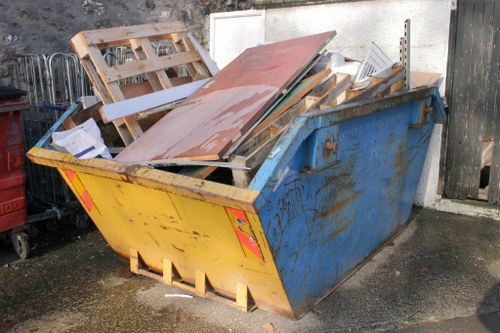
Our garden clearance in Kingston upon Thames service is for homeowners, landlords and property managers who need outdoor waste removed and the space made manageable again. We clear accumulated cuttings, branch material, soil-contaminated waste, broken garden items and mixed green debris, then sort what can be separated for recovery or disposal. The aim is straightforward: leave you with a tidier garden area and a sensible route for the materials that come out of it.
We handle clearance work across patios, borders, sheds, side returns, rear gardens and access paths where garden waste has built up over time or after a bigger tidy-up. If you are comparing options, our garden clearance service covers the core work in one place, while related removal pages can help where the load includes bulky household items or general waste as well as green material. Pricing and quotes is useful when you want to understand how the scope of the job is usually assessed.
Garden clearance is often more involved than moving a few bags. A proper job may include separating reusable items from waste, breaking down awkward pieces for safer handling, and planning how mixed materials are moved without unnecessary disturbance to lawns, paving or planted areas. Good clearance is not only about taking things away; it is also about dealing with the contents in a tidy, orderly way so the remaining space is easier to use afterwards.
What we remove from outdoor spaces
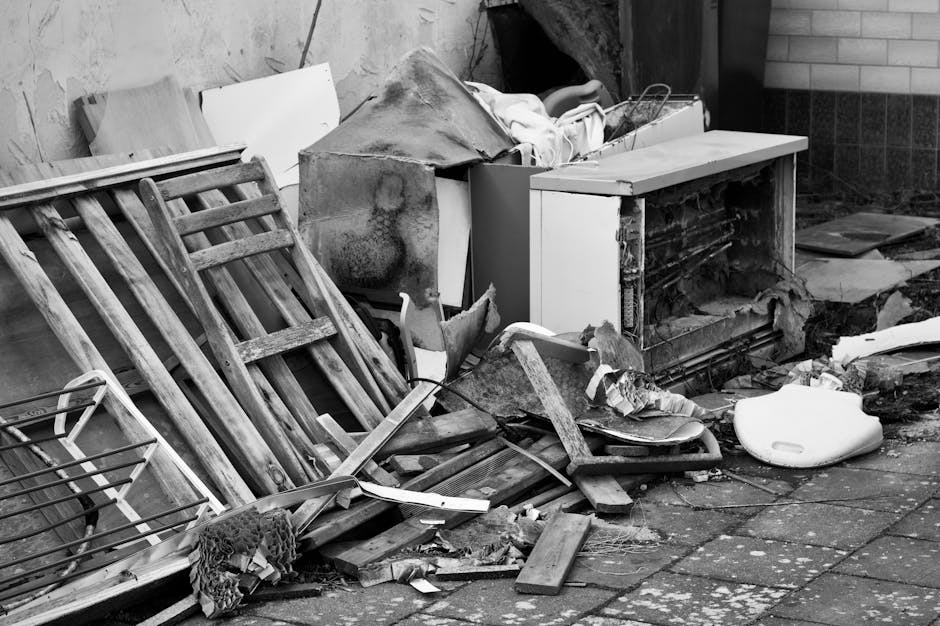
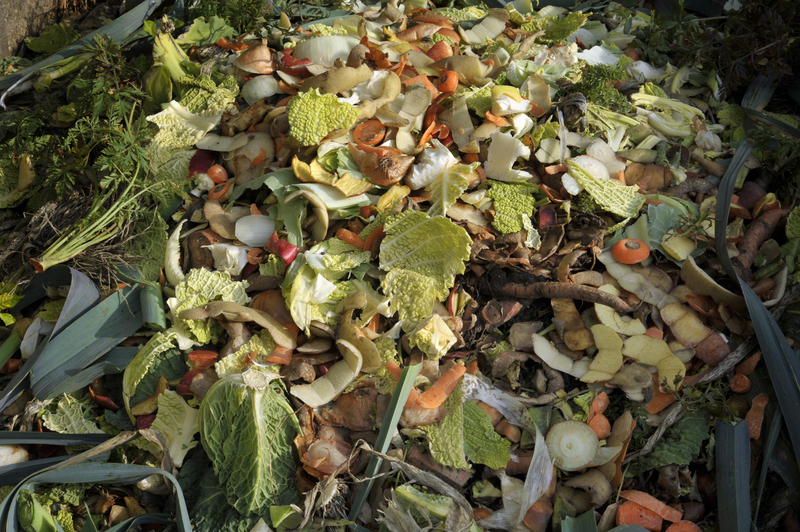
We clear a wide range of garden and outdoor waste where it has become too bulky, tangled or time-consuming to manage by ordinary bin collection. That can include hedge trimmings, prunings, old compost bags, windblown debris, dead plants, weeds, loose turf, roots, broken planters, damaged netting and worn garden furniture. Where items are suitable for separate handling, we keep them apart so the load can be dealt with more responsibly.
For some gardens, the job is mainly green waste; for others, it is a mix of gardening leftovers and non-organic items that have been left outside too long. Our waste removal page suits customers who need a broader collection beyond garden debris, while garden clearance remains the best match when the focus is on outdoor space and the material gathered from it. If there are heavier or awkward pieces, we can also guide you towards the right service rather than trying to force everything into one category.
Typical items included in a garden clearance can be grouped as follows:
- green cuttings, hedge trimmings and branch waste
- soil, turf, roots and other garden spoil
- broken pots, tubs, trellis and small outdoor fixtures
- old furniture, ornaments and other weathered items left outside
- mixed bagged waste from a general garden tidy
How the clearance process is usually handled

Every clearance starts with understanding what is present and how it is arranged. A neat pile of cuttings can be straightforward, but a garden that contains mixed debris, damp waste or hidden items needs a more careful approach. We aim to remove material in a way that reduces unnecessary handling and keeps access routes as clear as possible while the work is taking place.
Where there are plants, paving edges, fragile features or limited access, it helps to separate the different categories of waste before lifting begins. That can mean keeping green waste apart from rubble, or putting reusable outdoor items to one side if they are not part of the clearance. Organisation matters because it can make the work smoother and help avoid damage to the remaining garden layout.
If you are preparing a quotation request, a short description of the size of the area and the type of material involved is usually enough to start. Photos can also help where the load includes a lot of mixed waste or where access is restricted, but they are not always essential. If you are unsure what counts as garden waste and what needs a different collection, send the details you have and we can help assess the most suitable route.
Clearance for overgrown, neglected or recently cut gardens
Garden clearance is often requested when the outside space has become overgrown or has been left after a major cut-back. In those cases, the work is not only about taking away loose waste; it may also involve removing layers of cut material from different parts of the garden so paths, borders and storage areas become usable again. This is especially useful after seasonal growth, storm damage or a long period without a proper tidy-up.
Some gardens contain a mixture of fresh clippings and older waste that has already started to break down. That can make the job heavier, messier and less predictable than a simple tidy collection, so the process has to be adjusted to suit the material present. The more varied the load, the more useful it is to keep items sorted as they are removed, especially when garden waste is intermingled with household clutter or dismantled outdoor equipment.
Garage clearance and loft clearance are separate services when the job shifts indoors or into storage areas, but a garden project can still involve items being brought out from sheds, outhouses or corners of the property before they are cleared. Where that happens, the aim is to keep the process orderly and make sure the outdoor portion is completed without leaving debris behind.
Services that sit alongside garden clearance
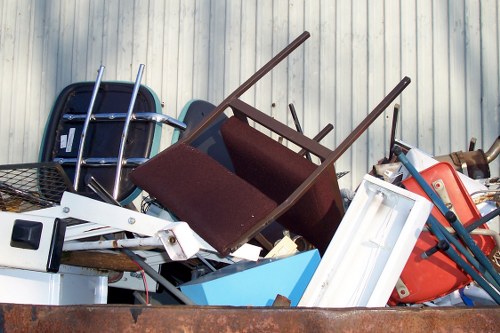
Some customers only need the garden waste taken away, while others have a broader mix of unwanted material that includes furniture, general rubbish or building leftovers from landscaping. In those cases, it is sensible to choose the most fitting page rather than forcing the work into a narrower category. A clear service match helps avoid confusion about what will be collected and how the clearance should be planned.
Related options can be useful when the outdoor space is being changed as part of a larger project. For example, a garden that has been stripped back after renovations may produce both green waste and heavier material, and a separate collection may be required for non-garden items. If your job includes kitchen, house or office contents as well as outdoor waste, you may want to compare those services before requesting a price. Furniture disposal is one example where bulky pieces are better handled under a more specific arrangement.
Builders waste clearance can be relevant when landscaping has involved rubble, packaging, broken paving or other construction-type residue. A garden clearance service is still the right starting point for plant matter and general outside tidy-ups, but the more the job moves towards hard waste or mixed building debris, the more important it is to select the proper collection route. That keeps the work accurate and avoids assumptions about what is included.
Disposal, sorting and responsible handling
Once the material has been gathered, it needs to be handled in a way that reflects its make-up. Green waste, reusable outdoor items and general refuse are not the same thing, and they are not always processed in the same way. We therefore focus on sorting the clearance sensibly so that recoverable material is separated where practical and waste is prepared for onward handling without unnecessary mixing.
For customers, this usually means there is no need to pre-load bags, break down every item or arrange several separate trips before the work begins. If there are particularly awkward pieces, such as long branches, heavy planters or collapsed fixtures, let us know in advance so the job can be approached safely. A sensible clearance plan always starts with what is there, then works through how it should be moved.
Where sustainability matters to you, it is reasonable to ask how different materials are managed. We do not make exaggerated claims about diversion or recovery rates, but we do recognise that careful sorting is an important part of any well-run clearance. For more detail on that approach, see recycling and sustainability. It is the kind of information that can be helpful before you decide how best to proceed.
About Kingston upon Thames
Kingston upon Thames sits on the River Thames in southwest London and is known for combining a historic town centre with modern retail, residential and riverside development. It has long been associated with royal history; the town’s market and civic identity grew from its medieval importance, and Kingston is traditionally linked with the coronation of several Saxon kings. The area today includes a busy commercial core, residential streets, and well-used public spaces that give the district a varied character. The riverside forms one of its best-known features, with paths, moorings and open views along stretches of the Thames that draw walkers and visitors throughout the year. Kingston also contains a number of landmark buildings and institutions, including the Rose Theatre, which opened in 2008, and the ancient market place that remains central to local life. Public green space is part of the borough’s identity too, with parks and commons nearby contributing to the balance between urban activity and open land. Fairfield and Canbury Gardens are among the better-known places for recreation close to the centre, while the surrounding streets include a mix of older housing, post-war development and newer apartments. Kingston’s transport links, shopping streets and cultural venues have made it one of the larger and more recognisable centres in the London borough that shares its name, yet the riverside setting still gives it a distinct sense of place. The combination of historic fabric, civic activity and waterfront access makes the town feel layered rather than uniform, with each part contributing something different to its overall character.
Garden clearance for different property types

Garden clearance is not only for full houses with large back gardens. It can be just as useful for flats with shared outdoor areas, rental properties between tenancies, or homes where a small courtyard has become difficult to keep on top of. The method changes with the site: a compact space may need careful carrying and neat sorting, while a larger plot may produce much more volume and a wider mix of waste. The principle remains the same.
Where the outdoor area is linked to a rental property, the work may need to be timed around handover or refurbishment. For a family home, the main priority may be reclaiming space for everyday use. For a managed property, the focus can be on getting the outside area back into a presentable condition without creating extra work for the next stage. House clearance may be the better fit if the project extends beyond the garden and into internal rooms or stored contents.
In more compact properties, garden waste can build up quickly because there is less room to stage materials before removal. That makes careful loading important, particularly where access is narrow or the route from the garden to the collection point is not straightforward. A measured approach keeps the job manageable and reduces the chance of damage to walls, gates, steps or planted edges.
Preparing for a quotation
The clearest quotations usually come from a simple description of the material, the access and the approximate volume. If you can identify whether the job is mainly green waste, mixed outdoor rubbish or heavier items from a garden project, that helps the assessment. It is also useful to mention any tight access, shared entrances, steps or other features that could affect how the work is carried out. One clear message is better than a long list of guesses.
There is no need to clear every item in advance, but it does help to separate anything you definitely want to keep from what should be removed. If there are multiple types of waste present, try to describe them as they are, rather than labelling everything as general rubbish. That makes it easier to decide whether garden clearance alone is suitable or whether another collection page is a closer match. If you are ready to go ahead, contact us with the details and we can take it from there.
If you are comparing options, it can also be useful to review about us for general background and insurance and safety for the approach to handling work carefully. Those pages are there to help customers make an informed choice before they request a quotation.
Garden clearance options for heavier or mixed loads

Not every outdoor clearance is limited to leaves and cuttings. Some jobs involve broken sheds, old outdoor storage, dismantled fencing, plant containers, soil bags, tired furnishings and other mixed materials that have been left in the same space. In those cases, the work needs a broader plan so the contents can be separated logically and the more cumbersome pieces do not slow everything else down. A mixed load is still manageable when it is approached with care.
When the garden includes material from a recent project, there may be overlap with other service types. A small amount of renovation residue is different from a full builders’ load, and broken domestic items are not the same as green waste. Choosing the right collection is the sensible first step because it keeps the service accurate. If you need to compare service categories, home clearance may suit mixed domestic contents, while flat clearance can be more suitable for smaller internal properties with associated outdoor items.
Where time is limited, the simplest approach is often to gather the main facts and ask for a quotation based on the actual contents. You do not need polished descriptions; you need a realistic one. If the garden has become a catch-all for old items, wet cuttings, planter waste and debris from a tidy-up, say so plainly. That gives a clearer basis for a response and avoids overcomplicating the job before it begins.
Choosing the right clearance route
The best clearance route depends on what is in the garden, how it is stored and what needs to happen afterwards. If the priority is mainly green waste and overgrowth, the dedicated service is usually enough. If the area contains bulky household items, furniture or general rubbish as well, another removal page may be more appropriate. The aim is not to sell the largest possible job; it is to match the work to the material actually present.
For commercial premises, let the service reflect the setting. A workplace or managed site may have different expectations for access, timing and mixed waste than a domestic garden, and that should be taken into account from the start. Office clearance is relevant where the outdoor space forms part of a business property with broader contents to remove, while the garden-specific route remains best for outdoor organic and general garden debris. Clear matching keeps the process straightforward for everyone involved.
When you are ready, send the details, ask the questions you need and request a quotation in plain language. We keep the process simple, and that begins with choosing the right service for the job rather than describing it in overly complicated terms.